

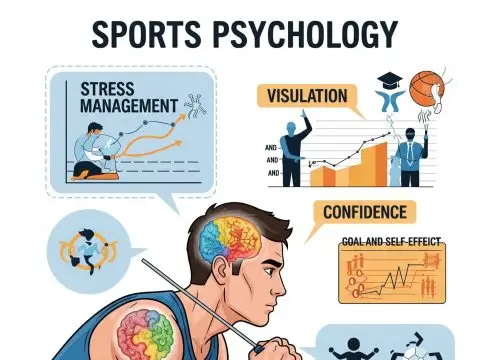


From elite athletes and military pilots to musicians and emergency responders, the demands of human performance are evolving, and so is the psychology that supports it. Inspired by this global phenomenon, this article attempts to capture the emergence and expansion of Sport, Exercise, and Performance Psychology (SEPP) as a dynamic field at the intersection of movement, optimal functioning, and well-being. Through historical roots, scientific developments, and emerging frontiers, it explores how SEPP not only optimizes performance in high-stakes environments but also promotes sustainable flourishing across disciplines. Whether one is new to the field or curious about its multidisciplinary applications, this piece offers a panoramic introduction to SEPP’s past, present, and future.
Introduction
In today’s world, we are navigating a complex era — one that celebrates pushing boundaries in the pursuit of excellence, while simultaneously recognizing the importance of setting limits to safeguard well-being. This reflects the nuanced balance between striving for personal excellence and sustaining wellness—an art that is increasingly being acknowledged across diverse domains of expertise.
Consider these scenarios:
- A military pilot under training steadies her breath before take-off, visualizing the next 60 seconds of her maneuver (See Fig. 1).
(Photo Courtesy: U.S. Air Force photo/Staff Sgt. Marleah Robertson)
- A young sprinter at the starting block mentally rehearses her stride pattern to focus on pushing her personal best at training (See Fig. 2).
(Photo Courtesy: Shutterstock.com)
- A concert violinist closes his eyes backstage, rehearsing the first few bars of a solo that once made his fingers tremble (See Fig. 3).
These offer a brilliant illustration of how distinct domains of expertise often share common psychological challenges and, in turn, can benefit from shared mental skills developed and mastered in collaboration with trained professionals.
Simply stated, honing this skill of enhancing and balancing excellence with well-being is what broadly embodies the vision, principles, and evolving scope of present-day Sport Psychology.
Sport Psychology
It is essential to recognize that while psychology is well acknowledged as the science of mind and behaviour [1], what comprises sports has reasonably differed across cultures, eras, and social norms [2,3]. While various definitions of Sport Psychology have been proposed, a universally encompassing one remains elusive. Yet, from a simplistic lens, sport psychology is a subdivision of Psychology that involves applying psychological principles and insights to the sporting environment. Expanding on this understanding, the American Psychological Association’s website explains Sport Psychology as “the scientific study of the psychological factors that are associated with participation and performance in sport, exercise, and other types of physical activity” [4].
Sport Psychology is a proficiency that uses psychological knowledge and skills to address optimal performance and well-being of athletes’ developmental and social aspects of sports participation, and systemic issues associated with sports settings and organizations
(APA, 2009)
This explanation exemplifies how the term sport serves to represent a spectrum ranging from physical activities and exercise to diverse endeavours bearing an element of competition [2]. It is this ability to encapsulate such dynamism that makes Sport Psychology the multidisciplinary and contextually rich field it is today, segueing into its contemporary nomenclature and broader recognition as Sport, Exercise and Performance Psychology (SEPP).
The perception of SEPP as the New Psychology on the block can reasonably be attributed to this very fact that the field has been ever evolving in its scope, research, and implications-expanding, accommodating, and merging with physical education, kinesiology, sports science, and psychological subdomains – since its very origin [5].
How It All Began: A Serendipitous Start
Interestingly, the scientific study of athletic behaviour predates the formal emergence of sport psychology as a distinct discipline. One of the earliest documented studies cited in the origins of sport psychology was conducted by Norman Triplett (1898), who investigated the phenomenon of social facilitation by examining cyclists’ performance in isolation versus in the presence of others. His findings confirmed that cyclists performed better when in groups than when riding alone. Thus, an experiment often regarded as the first in social psychology exemplified the role of social and competitive factors in enhancing performance, thereby establishing sport psychology as grounded in interdisciplinary research [6].
However, Triplett discontinued sports-related research, and the field saw limited scholarly publications until the 1920s, with consistent scientific research reviving around the mid-20th century [7]. The only other notable contributions came from E. W. Scripture’s (student of Wilhelm Wundt) investigation of athletes’ cognitive and motor responses [8,9] and teachings in physical education courses [10], besides French neuropsychiatrist Philippe Tissie’s extensive writings on psychological changes during cycling [11]. During the early 20th century, the field became primarily driven by physical educators functioning as instructors rather than as researchers [12], with psychology being taught in physical education curricula across institutions like Harvard and YMCA Springfield, Massachusetts. Interestingly, though, Europe witnessed some systematic momentum with the establishment of the Deutsche Hochschule für Leibesübungen in 1920 by Robert Werner Schulte, where he conducted aptitude assessments and explored the psychological aspects of physical training [8].
Despite these developments, sport psychology earned the recognition of a distinct discipline and profession only in the 1960s. This is largely credited to the contributions of Coleman Griffith, aptly referred to as the “father of sport psychology.” Griffith founded the first sport psychology laboratory at the University of Illinois in 1925, publishing extensively for both academic and coaching audiences. Although the lab closed in 1932 due to funding issues, Griffith went on to serve as a sport psychology consultant for professional teams like the Chicago Cubs in the 1930s [7,13], setting the stage for the field’s unprecedented advancements in the following decades, when the number of researchers and practitioners boomed.
The Cold War era, driven by Olympic dominance, accelerated the growth of sport science programs across Soviet and German Institutions with sport psychologists in prominent roles [8]. A turning point came at the 1960 Melbourne Olympics, where several Eastern European teams employed psychologists [13]. These culminated in the First World Congress in Rome (1965) [14], where the International Society of Sport Psychology (ISSP) was established. Upon overcoming initial geopolitical tensions, ISSP emerged as a global body by the 1970s [14]. The formation of the European Federation of Sport Psychology (1968) [15] and later the Association for Applied Sport Psychology (1985) [16,17] echoed this growing prominence. APA’s Division 47 (1983–1986) and the BPS Sport and Exercise Psychology Section (1993) followed suit [13]. These organizations endeavoured to uphold the field’s multidisciplinary foundation through research, training, certification, and ethical practice, as the launch of their dedicated journals became the platform for disseminating scholarly knowledge (See Fig. 4 for chronology).
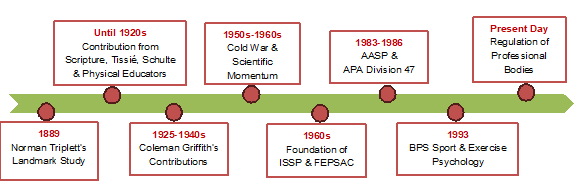
Sport, Exercise, and Performance: A Unified yet Distinctly Multifaceted Discipline
In its contemporary avatar, SEPP may be viewed as the science of human flourishing in motion, encapsulating psychological inquiry across movement, performance, and well-being. Thus, while often being grouped as a single discipline, SEPP embodies an expansive domain occupying distinct specializations, each exploring the sphere of mind-body connection through different lenses shaped by context, purpose, and population. Interwoven by shared interests in optimal functioning, each reflects an evolving sphere encompassing physical, cognitive, emotional, and health dimensions, with interesting uniqueness.
Sport Psychology: Optimizing Athletic Performance & Wellbeing
Sport Psychology deals with the psychological components influencing (or enhancing) athletic performance and well-being in competitive environments in athletes across competitive levels. It explores confidence, focus, anxiety, burnout, attentional control, injury recovery, team dynamics, and goal-setting, often in collaboration with coaches and sports medicine professionals [18]. The focus is on understanding how psychological factors affect athletic performance as much as it is on exploring how sports participation influences psychological development and well-being [19]. Professionals in the field employ an array of tools — goal setting, visualization, mindfulness, breath work — not only to help athletes win, but to build resilience, facilitate recovery from injuries, and navigate setbacks [18]. These interventions are often delivered in collaboration with important stakeholders within sporting ecosystems, ranging from coaches to sport science experts.
Exercise Psychology: Movement Adherence and Well-being
Far from the competitive pressure of sport or high-stakes environment, exercise psychology dwells on the psychological and physiological consequences of movement behaviour in everyday life, targeting the general population, including clinical groups. Standing on over 30 years of dedicated research, this field seeks to understand how and why individuals engage or avoid physical activity [20]. The goal here is not to win or excel, but to promote lifelong wellness, prevent disease, and manage mental health through movement. The domain encompasses key themes around (1) investigating motivators and barriers that shape the initiation and adherence to physical activity and exercise regimens, (2) examining how mental states shift during movement indulgence and impact mood, cognition, and behaviour, and (3) assessing the psychological benefits of exercise, especially for populations dealing with mental health conditions, aging, or chronic illness [21]. Exercise psychologists work with diverse populations—from cardiac patients in recovery to individuals with depression or autism—designing therapeutic and behavioral interventions that elevate both physical and psychological well-being in their clients.
Performance Psychology: Excellence Across Domains
Performance Psychology, probably the broadest of the three specializations within SEPP, applies psychological principles to optimize functioning across diverse contexts, where individuals are required to perform under pressure, improve focus and precision, and optimize psychological readiness and critical decision-making. It has been described as understanding and enhancing “the mental components of superior performance” in domains where consistent excellence is the key [22].
This field bloomed from the recognition that principles of sport psychology have broader applicability beyond athletic contexts, extending the science of optimal functioning into other high-pressure domains such as performing arts (musicians, dancers, actors), military and tactical professions, medical and surgical settings, business and executive leadership, law enforcement and emergency services [23]. Empirical evidence has demonstrated that elite and professional sport settings offer a valuable context for knowledge transfer in such domains, where inherent volatility and demands for high performance are cardinal [24]. Inevitably, sport psychologists have been increasingly welcomed into performance domains to apply their knowledge and expertise in these adapted contexts. The United States Army Comprehensive Soldier Fitness – Performance and Resilience Enhancement Program is the largest employer of applied sport psychology professionals worldwide [25]. Individuals working with performance psychology practitioners often report experiencing sustained peak performance, better coping under pressure, and quicker recovery from errors or stress in critical environments and uncertainty.
The growing implications of performance principles in the contemporary world make it essential to separate performance challenges from mental health ones, which may interact but remain distinct. While performance psychologists often address both cognitive and emotional functioning as well as psychological barriers to performance, alleviating the former serves to restore performance, while the latter targets unlocking superior performance [26]. However, while the principles of performance may generalize, domain-specific knowledge remains crucial. A performance psychologist transitioning from supporting professionals in surgery to ballet necessitates understanding the intricacies of operational realities in each environment and craft [27].
Reimagining Possibilities: SEPP in an Era of Multidisciplinary Integration
With its roots deep in interdisciplinary research, contemporary developments have only witnessed further integration of principles from neuroscience, physiology, motor behaviour, and health sciences, alongside various sub-disciplines of psychology. While we explored how SEPP contributes to and informs broader psychological discourse—offering unique insights that can shape theoretical development in other areas [28], concurrently, SEPP also draws upon foundational theories from cultural [29], clinical [30], educational [31], evolutionary [32], ecological [33], health [34], social [35] and positive psychology [36] to enrich its application in sport and exercise contexts. This evolving landscape of SEPP has reflected in a cross-pollination of ideas across disciplines, with its scalability and universality opening up rich possibilities for holistic frameworks and collaborative research avenues. The interdisciplinary subfields not only reinforce SEPP’s scientific rigor but serve to expand its practical relevance —introducing versatile pathways for a new generation of enthusiasts to explore their niche within the evolving demands of performance, health, and human potential across emerging professional roles:
Applied Sport Psychology
The growing interest in practising or ‘doing’ sport psychology led to the emergence of this subfield, which is concerned with “the application of psychological techniques and strategies that are primarily aimed at aiding athletes in achieving better performance” [37]. As a result, it has been popularly contested that applied sport psychology may be conceptually positioned within the performance continuum as a subdomain of performance psychology in much the same way as it may be regarded as a subdomain of sport psychology [27]. This broad domain is seeing practitioners increasingly shifting their attention to holistic athlete development and wellbeing, besides performance enhancement, employing clinical/counselling as well as educational methods [37].
Clinical Sport Psychology
This contemporary subfield integrates principles of clinical psychology and sport sciences focused on addressing mental healthcare needs [38] among athletes, performers, coaches, and other sport community members [39]. It addresses a range of concerns—including anxiety, depression, ADHD, substance use, eating disorders, and trauma-related disorders—through empirically supported interventions tailored to the unique demands of sport contexts [38]. Practiced by licensed clinicians with specialized training in SEPP [40], this field complements sports medicine and clinical sport psychiatry by offering evidence-based conceptualizations of psychological distress as it manifests in high-performance environments [39].
Educational Sport Psychology
With cutting-edge findings from sport science, kinesiology, and physical education, this subfield seeks to deepen the understanding of human movement in sport and exercise contexts. Professionals in this field, often referred to as “mental coaches,” are trained in psychology and counselling skills, and focus on teaching athletes and exercisers essential mental and self-regulation strategies to enhance performance and personal development. Unlike clinical sport psychology, which emphasizes mental health treatment, educational sport psychology is typically grounded in academic training from sport science-related disciplines and prioritizes performance enhancement and well-being through individual and/or group interventions [40].
Organizational Sport Psychology
This is a growing subfield that extends the focus of sport psychology beyond individual athletes to the broader systems in which they operate. Grounded in principles of organizational behaviour, it encourages practitioners to adopt a systemic lens—collaborating with athletes, coaches, support staff, and management to address the complex dynamics that shape performance and well-being across all levels of a sport organization. Contemporary demands have driven increased interest in professionals skilled in interdisciplinary team communication, navigating organizational change, and fostering a healthy performance culture. It may be said that, at its core, this field is concerned with understanding the individual and social processes within sport organizations to support sustainable, high-functioning environments [41].
Cultural Sport Psychology
This is an emerging and influential branch of sport psychology that critiques traditional views of psychological processes as autonomous and or influenced by socio-cultural environment at the level of individual experience. Instead, this subfield emphasizes how cultural norms, values, and practices shape athletes’ experiences, identity formation, psychological skill development, performance, and overall well-being. By exploring how sociocultural factors intersect with personal meaning, cultural sport psychology is set to broaden our understanding of sport participation and relationships within athletic settings. Although still nascent in its empirical development, the field has opened new avenues for research—particularly around identity, subjectivity, and the lived experiences of diverse athletes, practitioners, and researchers [29].
Emerging Frontiers: A Field in Motion
As SEPP continues to expand its theoretical and applied horizons, emerging frontiers are pushing the discipline into uncharted territories. Two such promising developments—Queer Sport Psychology and Adventure & Extreme Psychology—illustrate the field’s commitment to social justice, contextual specificity, and holistic understanding of human performance in naturalistic contexts.
- Queer Sport Psychology has emerged from questioning normative assumptions around how traditional sporting cultures are organised, centering the lived experiences of LGBTQIA+ athletes, practitioners, and researchers. This movement calls for a re-examination of the influence of gender, sexuality, and identity on participation, performance, access, and representation in sports globally. Pushing beyond mere inclusion, queer approaches to SEPP emphasize the importance of dismantling structural barriers and reshaping narratives to create safer, affirming, and empowering spaces across all levels of sport and movement culture [42].
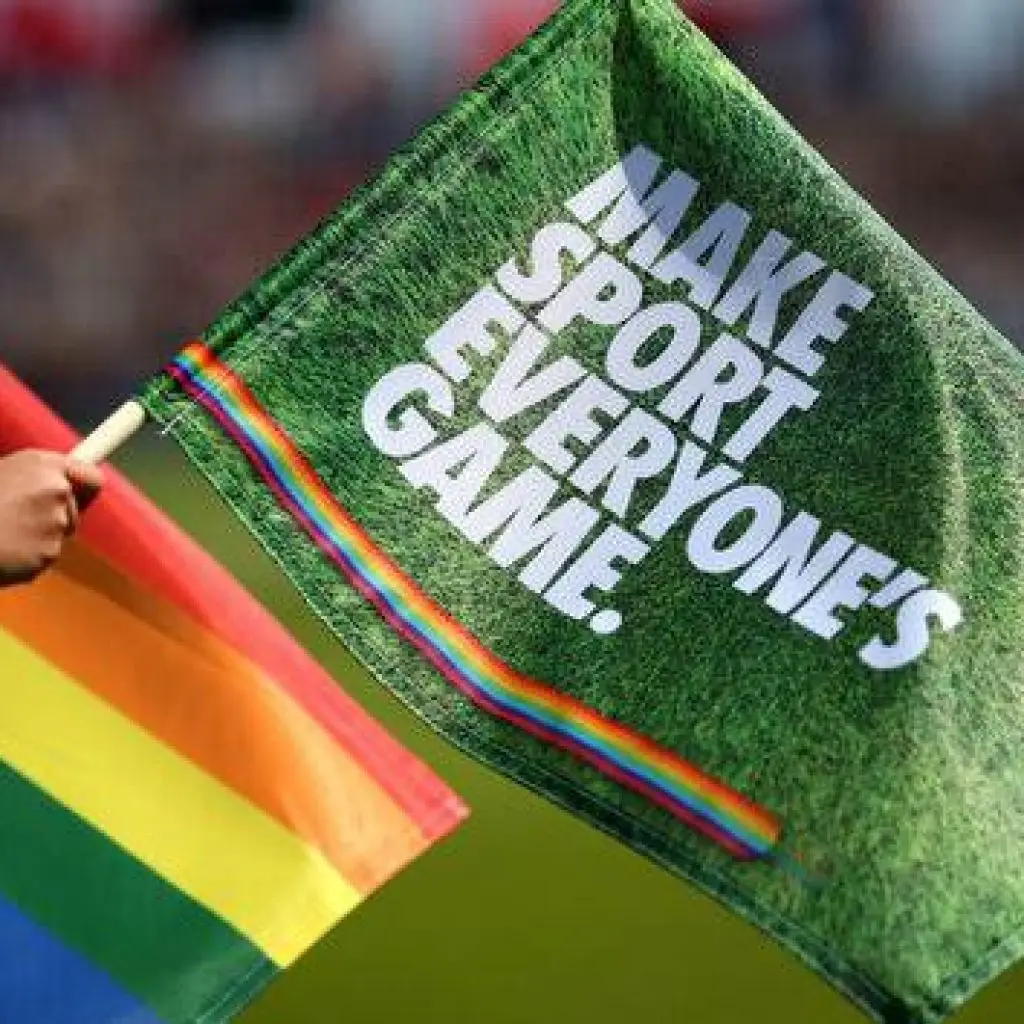
(Photo Courtesy: Out Front Magazine)
- Adventure & Extreme Sport Psychology, meanwhile, delves into the psychological dimensions of participation in high-risk, high-intensity non-traditional adventures and activities—such as mountaineering, ultramarathons, deep-sea diving, or polar expeditions (see Figs. 6a and 6b). These contexts challenge conventional theories of motivation, resilience, identity, and flow, calling for refined frameworks that address the unique cognitive, emotional, and physiological demands associated with such non-traditional pursuits [43].
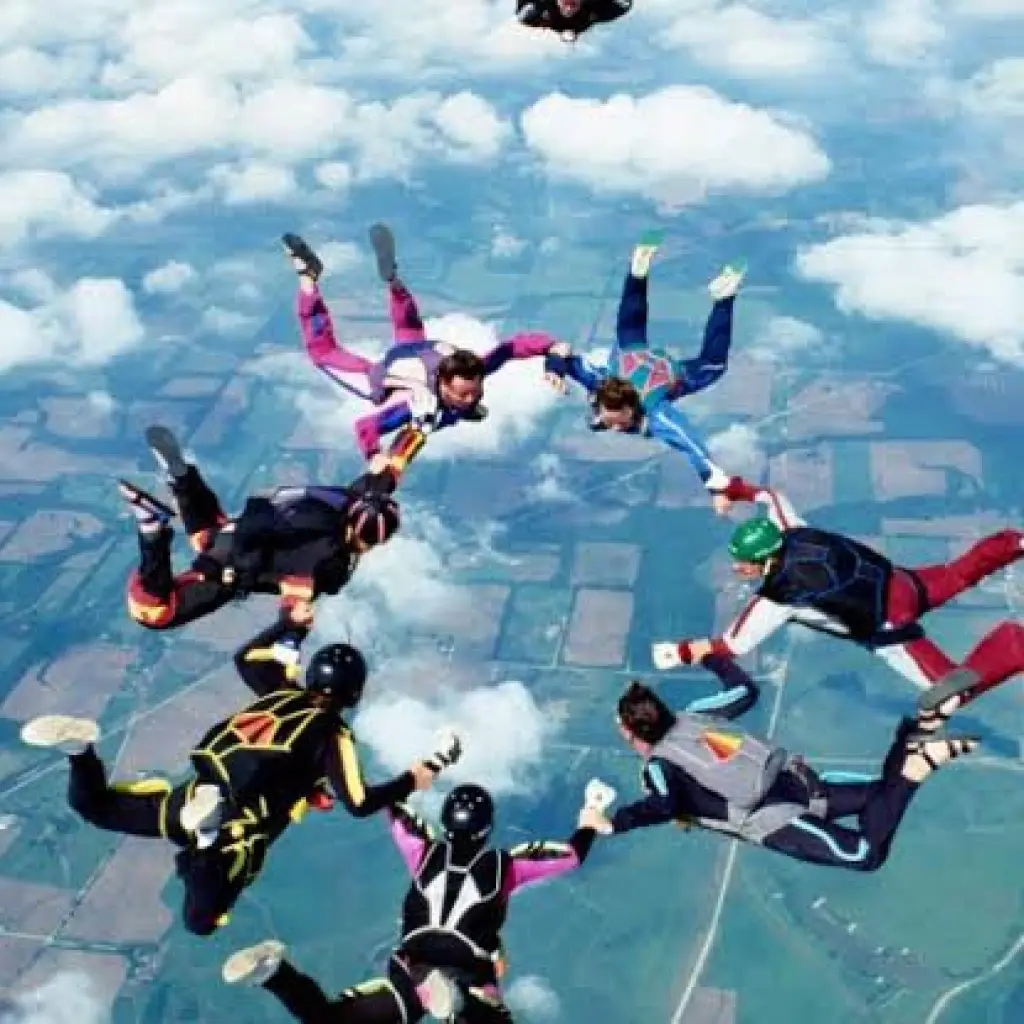
(Photo by Philip Leara)
One particularly dynamic offshoot of this domain is the growing global interest in adventure, extreme, action, or lifestyle sports, as they are invariably termed. Over the past decade, these activities have not only gained popularity but also brought significant socio-economic implications, challenging the notion of sport and physical activity, yet again. In response, researchers have begun exploring participant motivations and personalities, characteristics of the activities, and their broader outcomes. Such inquiries have helped establish that extreme sports are far from a homogeneous group, despite common assumptions. Interestingly, their inherent diversity—driven by constant technological innovation and expanding human creativity—poses serious difficulties in categorization [44, 45].
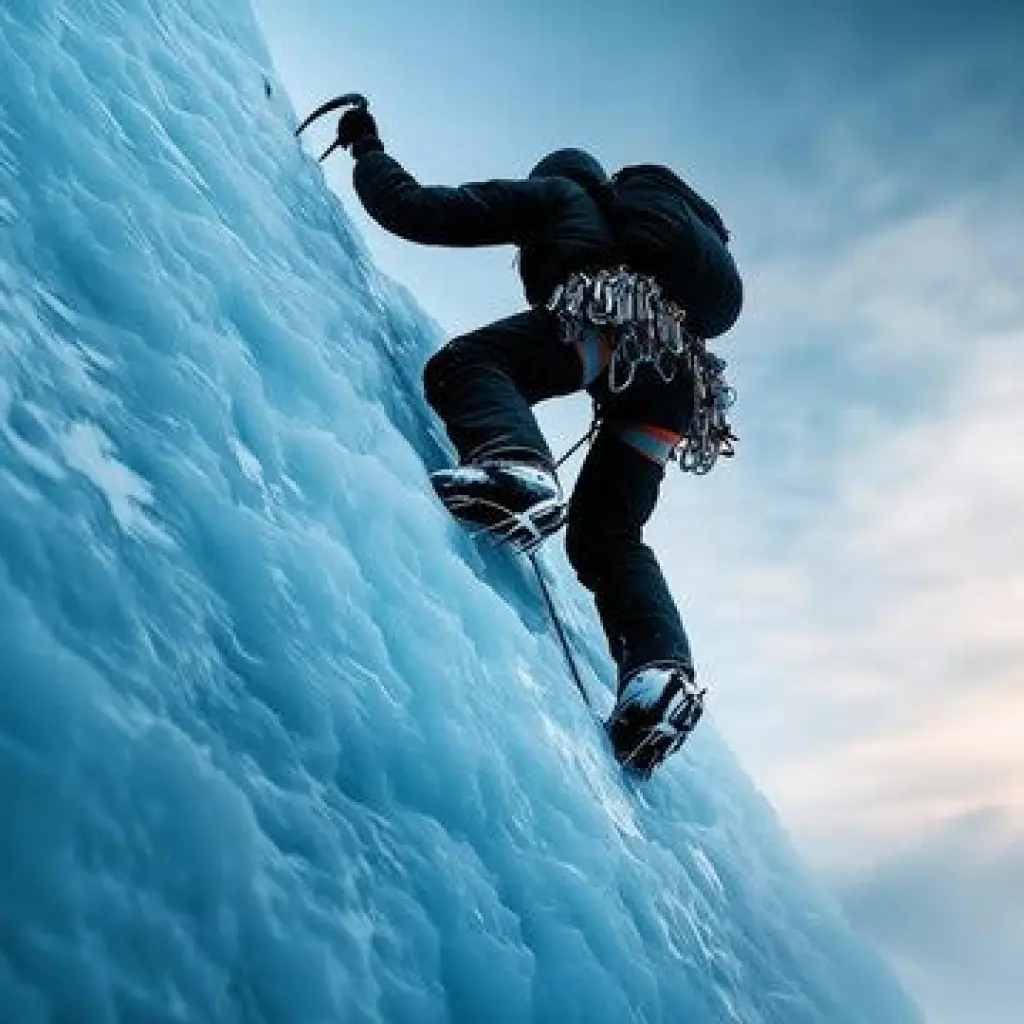
(Photo Courtesy: Adobe Stock)
Perhaps the most significant factors explaining the growing appeal of these sports are the shift in narrative. Previously regarded as deviant, dangerous, and socially undesirable pursuits, they have often been attributed to rebellious, risk-prone, and reckless behaviours [46], or the desire to be associated with the ultra-masculinity and glamour of these cults. Such a negative undertone is now being reinterpreted through the lens of courage, personal growth, and the ‘search for freedom’ [44, 47]. Secondly, the natural environment is also increasingly recognized as the central factor in these sports, portraying it as wild, unpredictable, and sometimes dangerous. However, while conventional assumptions exemplified a combative relationship with attempts to compete against nature, the contemporary view is shifting towards an immersive, respectful engagement with nature rather than as adversaries. In this sense, they are less about competition and more about deriving meaningful and life-enhancing experiences [48].
Paradoxically, even as adventure and extreme sports are framed as experiential and non-competitive, they have been welcomed into the competitive mainstream. Evidenced by the inclusion of surfing, skateboarding, and sport climbing in the Tokyo 2020 Olympics, and kitesurfing in Paris 2024, this transition raises new confusion around the compatibility of extreme sports with rule-bound competition formats as opposed to a purely naturalistic endeavour [44]. It evokes the question—Can the deeply personal, context-specific, and often improvisational nature of these sports truly be captured within rigid, man-made parameters?
Yet, this very tension reveals the immense potential of these activities. The absence of artificial limits in the natural environment fosters not only unique skill development but also novel insights into human behaviour, experience, performance, and potential. These insights are increasingly informing broader domains of SEPP, particularly in areas such as health, well-being, team-building, leadership, and environmentally conscious behaviour [44, 49].
In conclusion, SEPP is a field in motion, standing at a dynamic crossroads. Its continued evolution is being shaped not only by expanding performance domains but also by critical engagement with the socio-cultural, ecological, and identity-based realities that influence how individuals move, perform, and thrive. As new frontiers are gaining momentum, they are prompting a reimagination of human performance beyond the confines of tradition—towards inclusivity, authenticity, creative expression, and meaning-making. In doing so, they illuminate new paradigms of risk, resilience, purpose, and connection—offering a richer, more human vision of sport and performance in the 21st century.
References
[1] Gross, R. D. (2012). Psychology: the science of mind and behaviour. London: Hodder Education.
[2] Portenga, et al. (2011). Defining the Practice of Sport and Performance Psychology. APA Div. 47: Society for Sport, Exercise & Performance Psychology: https://www.apadivisions.org/division-47/about/resources/defining.pdf.
[3] Portenga, et al. (2011). Defining the Practice of Sport and Performance Psychology. APA Div. 47: Society for Sport, Exercise & Performance Psychology: https://www.apadivisions.org/division-47/about/resources/defining.pdf.
[4] American Psychological Association. (2011). What Is Exercise Psychology and Sport Psychology? APA Div. 47: Society for Sport, Exercise & Performance Psychology: https://www.apadivisions.org/division-47/about/resources/what-is#:~:text=Exercise%20psychology%20and%20sport%20psychology%20involve%20the%20scientific%20study%20of,other%20types%20of%20physical%20activity.
[5] Latinjak, A. T., & Hatzigeorgiadis, A. (2021). The knowledge map of sport and exercise psychology: An integrative perspective. Frontiers in Psychology, 12, 661824.
[6] Davis, S. F., Huss, M. T., & Becker, A. H. (2009). Norman Triplett: Recognizing the importance of competition. In C. D. Green & L. T. Benjamin Jr. (Eds.), Psychology gets in the game: Sport, mind, and behavior, 1880–1960 (pp. 98–115). University of Nebraska Press.
[7] Green, C. D., & Benjamin, L. T., Jr. (2009). Psychology gets in the game: Sport, mind, and behavior, 1880–1960. University of Nebraska Press.
[8] Goodwin, C. J. (2009). E. W. Scripture: The application of “new psychology” methodology to athletics. In C. D. Green & L. T. Benjamin Jr. (Eds.), Psychology gets in the game: Sport, mind, and behavior, 1880–1960 (pp. 78–97). University of Nebraska Press.
[9] Kornspan, A. S. (2007). E. W. Scripture and the Yale psychology laboratory: Studies related to athletes and physical activity. The Sport Psychologist, 21(2), 152–169.
[10] Kornspan, A. S. (2012). History of sport and performance psychology. In S. Murphy (Ed.), The Oxford Handbook of Sport and Performance Psychology (pp. 3–23). Oxford University Press.
[11] Abrahamsen, F. (2017). History of sport, exercise, and performance psychology in Europe. In Oxford Research Encyclopedia of Psychology.
[12] Bäumler, G. (2009). The dawn of sport psychology in Europe, 1880–1930: Early pioneers of a new branch of applied science. In C. D. Green & L. T. Benjamin Jr. (Eds.), Psychology gets in the game: Sport, mind, and behavior, 1880–1960 (pp. 20–77). University of Nebraska Press.
[13] Jarvis, M. (2006). Sport psychology: A student’s handbook. Routledge.
[14] Morris, T., Hackfort, D., & Lidor, R. (n.d.). From Pope to Hope: The first twenty years of ISSP. International Society of Sport Psychology. http://www.issponline.org/documents/History_of_ISSP.pdf.
[15] Seiler, R., & Wylleman, P. (2009). FEPSAC’s role and position in the past and in the future of sport psychology in Europe. Psychology of Sport and Exercise, 10(4), 403–409. https://doi.org/10.1016/j.psychsport.2009.02.009.
[16] North American Society for the Psychology of Sport and Physical Activity. (n.d.). Mission statement. https://www.naspspa.com/mission-statement.
[17] Driska, A. (2011). A brief history of sport psychology. The Tough Mind.
[18] Choudhury, R. D., & Dutta, P. P. (2024). The role of psychological skills training in enhancing athletic performance: A comprehensive review, 8(11), 567-574.
[19] Weinberg, R. S., & Gould, D. (2019). Foundations of sport and exercise psychology (7th ed.). Human Kinetics.
[20] Buckworth, J. (2013). Exercise psychology. Human kinetics.
[21] Runk, L. (2025). Foundations of kinesiology: Understanding human movement. LibreTexts: NICE CXOne.
[22] Hays, K. F. (2012). Performance psychology: A practitioner’s guide. Routledge.
[23] Barker, J. B., Neil, R., & Fletcher, D. (2016). Using sport and performance psychology in the management of change. Journal of Change Management, 16(1), 1–7. https://doi.org/10.1080/14697017.2015.1103776.
[24] Fletcher, D., & Wagstaff, C. R. (2009). Organizational psychology in elite sport: Its emergence, application and future. Psychology of sport and exercise, 10(4), 427-434.
[25] Cremades, J. G., Tashman, L. S., & Quartiroli, A. (2014). Performance psychology across domains: From sport to business, performing arts, and military. In J. G. Cremades & L. S. Tashman (Eds.), Becoming a sport, exercise, and performance psychology professional (pp. 35–50). Psychology Press.
[26] Aoyagi, M. W., Poczwardowski, A., Portenga, S. T., Shapiro, J. L., & Haberl, P. (2010). Expert approaches to performance enhancement and restoration. In J. M. Williams (Ed.), Applied sport psychology: Personal growth to peak performance (6th ed., pp. 426–448). McGraw-Hill.
[27] American Psychological Association Division 47. (2025). Defining sport and performance psychology. https://www.apadivisions.org/division-47/about/resources/defining.pdf.
[28] Shoenfelt, E. L. (2016). A sport psychology consultant’s guide to practicing in the sport, exercise, and performance psychology domain. American Psychological Association Division 47 Newsletter, 31(1), 4–7.
[29] Ryba, T. V. (2017). Cultural sport psychology: A critical review of empirical advances. Current Opinion in Psychology, 16, 123–127. https://doi.org/10.1016/j.copsyc.2017.05.003.
[30] Moore, Z. E., & Bonagura, K. (2017). The practice of sport psychology within clinical and counseling settings. In S. Hanton & S. D. Mellalieu (Eds.), Contemporary advances in sport psychology: A review (pp. 251–270). Routledge.
[31] Holt, N. L., Neely, K. C., Slater, L. G., Camiré, M., Côté, J., Fraser-Thomas, J., MacDonald, D. J., Strachan, L., & Tamminen, K. A. (2017). A grounded theory of positive youth development through sport based on results from a qualitative meta-study. International Review of Sport and Exercise Psychology, 10(1), 1–49. https://doi.org/10.1080/1750984X.2016.1180704.
[32] Balish, S. M., Conacher, D., & Dithurbide, L. (2013). Interpreting the influence of sport on social development: Revisiting the role of evolutionary theory. International Review for the Sociology of Sport, 51(4), 547–564. https://doi.org/10.1177/1012690214548493.
[33] Araújo, D., Davids, K., & Passos, P. (2019). The science of learning and development in sport: An ecological dynamics perspective. Routledge. https://doi.org/10.4324/9780429351604.
[34] Biddle, S. J. H., & Fuchs, R. (2009). Exercise psychology: A view from Europe. Psychology of Sport and Exercise, 10(4), 410–419. https://doi.org/10.1016/j.psychsport.2009.01.006.
[35] Jowett, S., & Lavallee, D. (2007). Social psychology in sport (Vol. 10). Human Kinetics.
[36] Gunning, S. A., & Smith, J. (2024). Applying positive psychology in sport: a trainee’s case study. Journal of Sport Psychology in Action, 1-10.
[37] Roper, E. A. (2002). Women working in the applied domain: Examining the gender bias in applied sport psychology. Journal of Applied Sport Psychology, 14(1), 53-66.
[38] Moore, Z. E., & Bonagura, K. (2017). Current opinion in clinical sport psychology: from athletic performance to psychological well-being. Current opinion in psychology, 16, 176-179.
[39] Marks, D. R., Wolanin, A. T., & Shortway, K. M. (Eds.). (2021). The Routledge handbook of clinical sport psychology (p. 1). Routledge.
[40] Weinberg, R. S., & Gould, D. (2023). Foundations of sport and exercise psychology. Human kinetics.
[41] Martin, D. R., Quartiroli, A., Wagstaff, C. R., & Marshall, C. K. (2025). Doing Organizational Sport Psychology from a Family Systems Perspective. Journal of Sport Psychology in Action, 1-17.
[42] Krane, V. (2016). Inclusion to liberation: Sport and exercise psychology engaging with sexual and gender diversity. Sport and Exercise Psychology Review, 12(1), 3–17.
[43] Woodman, T., MacGregor, A., Hardy, L., & Gulbin, J. (2010). Great expectations: Different high-risk activities satisfy different psychological needs. Journal of Personality and Social Psychology, 99(6), 1024–1039. https://doi.org/10.1037/a0020115.
[44] Brymer, E., Feletti, F., Monasterio, E., & Schweitzer, R. (2019). Editorial: Understanding extreme sports: A psychological perspective. Frontiers in Psychology, 10, 123. https://doi.org/10.3389/fpsyg.2019.01239.
[45] Hornby, O., Roderique-Davies, G., Heirene, R., Thorkildsen, E., Bradbury, S., Rowlands, I., … & Shearer, D. (2024). What factors explain extreme sport participation? A systematic review. Frontiers in Sports and Active Living, 6, 1403499. https://doi.org/10.3389/fsals.2024.1403499.
[46] Brymer, E., & Oades, L. G. (2009). Extreme sports: A positive transformation in courage and humility. Journal of humanistic psychology, 49(1), 114-126.
[47] Brymer, E., & Schweitzer, R. (2013). The search for freedom in extreme sports: A phenomenological exploration. Psychology of Sport and Exercise, 14(6), 865–873. https://doi.org/10.1016/j.psychsport.2013.07.004.
[48] Feletti, F., & Brymer, E. (2018). Injury in kite buggying: The role of the ‘out of buggy experience’. Journal of Orthopaedic Surgery and Research, 13, 104. https://doi.org/10.1186/s13018-018-0818-x.
[49] Shanahan, D. F., Astell–Burt, T., Barber, E. A., Brymer, E., Cox, D. T., Dean, J., … & Gaston, K. J. (2019). Nature–based interventions for improving health and wellbeing: The purpose, the people and the outcomes. Sports, 7(6), 141. https://doi.org/10.3390/sports7060141.